Start anywhere
Somebody already checked. Let's make it findable.
Almost nobody outside the community can say what an inspector general actually does. That's a problem for everyone, not just for inspectors general, and it's a fixable one.
This is a practitioner commons: plain-language explanations of oversight work, a durable archive of the public reports that work produces, which doesn't exist yet, and concrete ways for people who now care to actually help.
Start anywhere
Three ways in, and the machinery behind them. None of them assume you already know what an inspector general is, and each one says plainly whether it exists yet.
- a.
What the work is, and why independence is the whole game
What audits and investigations actually are, how they differ, and what the seven recognized threats to an auditor's independence look like when they show up in real life.
Written, not yet released - b.
An archive that outlasts any one office
Federal, state and local oversight reports, held independently of the offices that published them. This part doesn't exist yet. The hard problem isn't copying the files, it's being able to show that a copy is the document it claims to be, years later, to somebody who has no reason to take your word for it.
Not built - c.
What helping actually looks like
Not a mailing list. The specific places where public attention changes outcomes: budgets, appointments, and the committees that hold the pen.
Not written yet - d.
How was all of this collected?
Every federal office asked, robots first, with a receipt behind most verdicts and a reason recorded behind the rest.
Open since 2026-09-08
Two lenses
Oversight is threaded through both at once: the pattern across a whole system, and the single line item that proves it. The two halves of the joke turn out to be the two halves of the job, so this site is organized that way, and everything here is filed as one or the other.
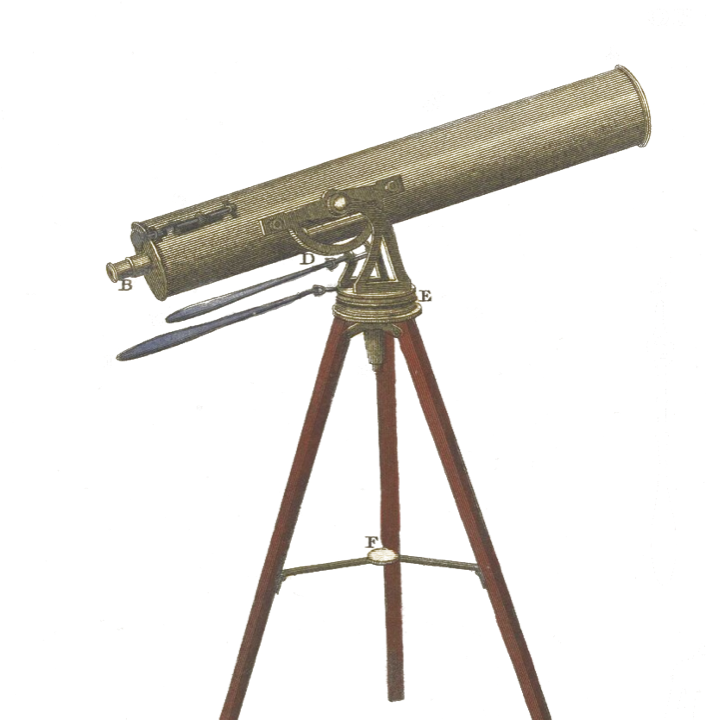
Telescope, the wide view
Generally
Seventy-four federal offices in fiscal year 2023, and more across states, counties and cities. What they have in common, why their independence is a structural question rather than a matter of individual character, and what the whole enterprise adds up to.
inspectgenerally.org
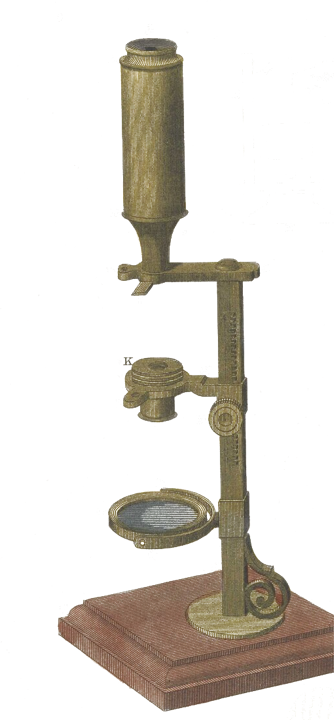
Microscope, the close view
And often specifically
One report. One finding. One recommendation, and whether anybody ever acted on it. The archive belongs here, because the general case is only ever credible if you can get to the specific one behind it.
One number, stated carefully
Fig. 1.
$93.1 billion identifiedFiscal year 2023, 74 federal offices
In fiscal year 2023, more than 14,000 people across 74 federal offices of inspector general worked on a combined budget of about $3.5 billion and identified roughly $93.1 billion in potential savings: $82.2 billion from audit recommendations and $10.9 billion from investigative receivables and recoveries.
Identifying a saving isn't the same as banking one: an agency still has to accept the recommendation and act on it. Across 2013 to 2023, inspectors general questioned about $169 billion in costs, and agency management agreed to roughly $39 billion of it. That pair is a narrower measure than the headline, questioned costs alone rather than every kind of saving, and it runs over eleven years rather than one, because agreement often lands in a later year than the recommendation and a single year's ratio isn't a rate. Is that gap a failure of oversight, or of what happens after oversight reports? That's the actual argument, and it's the part of the story that usually goes untold.
Source: Council of the Inspectors General on Integrity and Efficiency, Annual Report to the President and Congress, Fiscal Year 2023. Held on disk and checksummed. The source says identified and potential, and this page uses its words. FY2023 is the most recent year verified here; CIGIE has since published its FY2024 and FY2025 reports, and this page will move to them once they have been checked the same way.
Early days
The evidence on this page is federal, because the federal record is the part that is verified so far. State, county and city offices are the harder half, they are most of the offices, and they are where the records go missing. That half is thinner here than it should be, and it's the next piece of work.
This site is being built in the open and isn't finished. If you work in oversight and want to shape what goes here, or fork any of it for your own office, that's the entire point.